
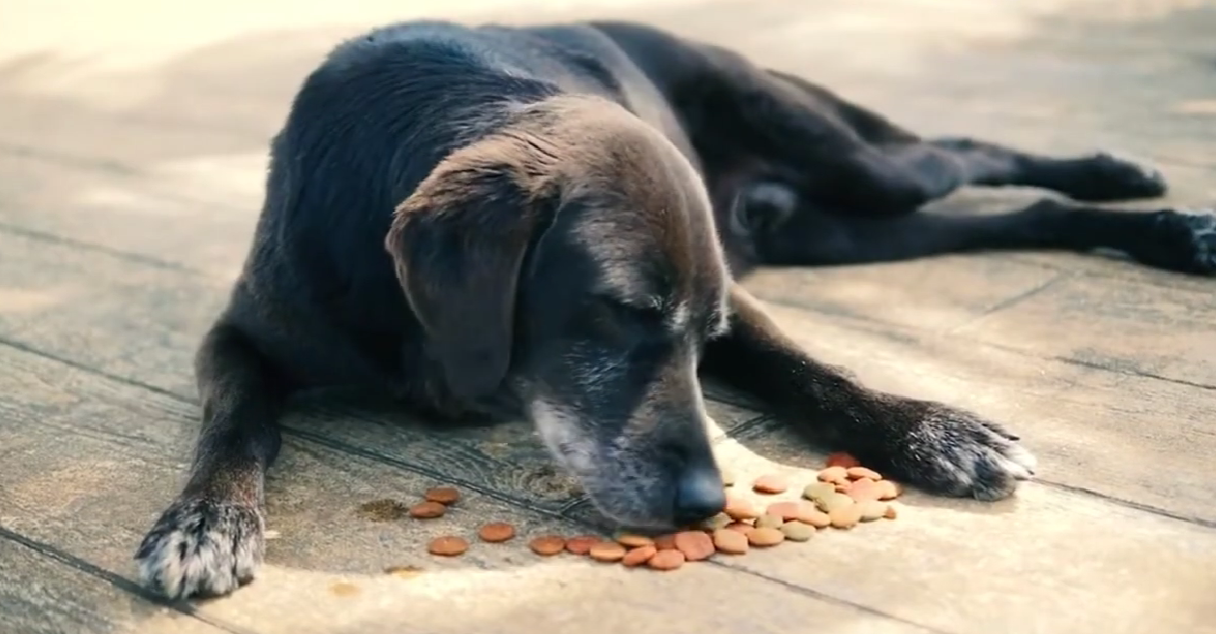
Many dog owners will have come across this issue. Your dog may start having loose stools, wind or seem uncomfortable after eating. Trying a couple of different foods doesn’t help and can be a bit frustrating as you waste money on bags.
I’ve had this issue with a couple of my dogs. Some have more sensitive stomachs than others. Finding the right food can definitely help, but it can be a bit of a process to find out what works.
Table of Contents
Why do dogs have sensitive stomachs?
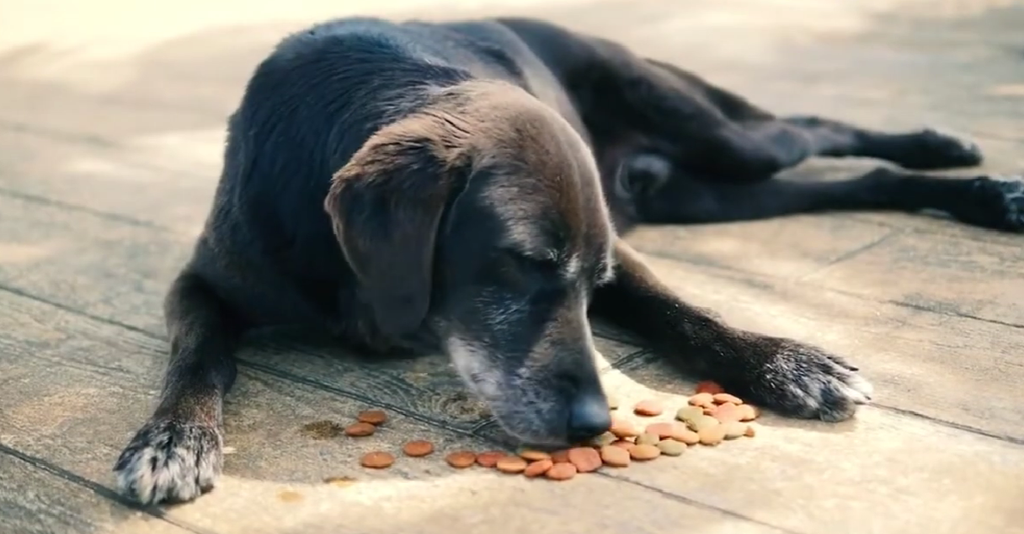
There is rarely just one reason why dogs have sensitive stomachs. Some dogs will naturally have more sensitive stomachs, whilst others can develop the issue due to changes in diet, stress or eating something they shouldn’t.
Common causes include:
- Sudden dietary changes.
- Chicken or beef.
- High in fat.
- Too many fillers or artificial ingredients.
- Eating too fast.
- Stress or changes to routine.
Chicken is one of the most common causes. Many dogs will be fine on it but many won’t. Same with beef. If your dog has been eating the same food for a while and then starts having issues, looking at the protein source could help.
What to look for when feeding a dog with a sensitive stomach.
If your dog has a sensitive stomach, look for:
- Fewer ingredients in the food. It makes it easier to work out what is causing the issue. Try to find foods that only have one source of protein.
- Easier to digest protein. Salmon, turkey, duck and lamb are often easier to digest than chicken and beef. This depends on your dog though.
- Low-medium in fat. High in fat can make the issue worse. Check the guaranteed analysis on the bag.
- Extra fibre or probiotics. Many sensitive stomach foods have extra fibre or probiotics such as pumpkin, beet pulp or live probiotics. This can make a big difference to many dogs.
- Avoid foods with lots of artificial colours, flavours and preservatives.
What tends to work.
Every dog is different but the following often help.
A limited ingredient diet. These will have one main protein source and few other ingredients. Many dogs will find these easier to digest.
Big brands often have sensitive skin and stomach options. Purina Pro Plan Sensitive Skin & Stomach (particularly the salmon version) is often recommended. Many dogs will be better on these. Hill’s Science Diet also have similar options. These are all designed to be easy to digest.
Fresh or lightly cooked food. Some dogs can find kibble harder to digest. Some brands like The Farmer’s Dog or other fresh brands have helped dogs that weren’t improving on dry food. This can be expensive but some dogs need it.
Veterinary diets. If your dog isn’t improving on normal foods, Royal Canin Gastrointestinal or similar prescription diets will be designed to help with ongoing digestive issues. These will usually need a vets recommendation.
Changing your dogs food.
This is an important step. Even if you choose the right food, changing it too quickly can cause issues.
I always gradually change over the food. I will start with mainly the old food and a small amount of the new. Then every couple of days increase the amount of new food slightly. This lets their stomach adjust.
Monitor their stools. If they are getting worse, slow it down. Some dogs need the full 10 days or even longer. Usually rushing this can cause issues.
Other tips.
The food isn’t the only thing to consider.
Smaller more frequent meals. Feeding 2-3 smaller meals can be easier to digest.
Slow feed bowls. If your dog eats too quickly, using slow feed bowls can help.
Plain pumpkin (not pie filling) can help firm up stools. A small spoonful added to their food. Probiotics can also help.
Treats. Many commercial treats will have ingredients which can cause issues for sensitive stomachs. Go for single ingredient treats.
When to see a vet.
Most sensitive stomach issues will improve with the right food and gradual change. However sometimes there may be a bigger issue.
See a vet if:
- The issue has been going on for longer than a couple of weeks.
- There is blood in their stools.
- They are losing weight.
- They are being sick regularly.
- They seem lethargic or uncomfortable.
It is better to rule out any serious issues early on rather than trying different foods for months.
Final thoughts.
Patience is key when finding the right food for a dog with a sensitive stomach. Usually limited ingredient foods with a simpler protein source will help. Be sure to gradually change their food.
Every dog is different. Just because it works for one dog doesn’t mean it will for yours. Start with something simple and really trial it. Don’t be afraid to try a couple of different options.
Note: This is general knowledge based on common experiences. It is not veterinary advice. If your dogs digestive issues aren’t improving or are getting worse, please see a vet.
FAQs
What is the best dog food for a sensitive stomach?
A limited ingredient diet with a single protein source such as salmon or turkey often helps. Purina Pro Plan Sensitive Skin & Stomach is often recommended to start with. It depends on your dog.
How long until they improve?
Most dogs will start to improve within 1-2 weeks of being on the right food. Some will take a little longer. Be sure to really trial it.
Is grain free better?
Not always. Some dogs will be better without grains, however others will be fine with them.
Can pumpkin help?
Yes! Plain pumpkin (not pie filling) can really help many dogs. Start with a little added to their food.